EN 10204 3.1 vs 3.2: which certificate does your tender need?
Every valve and piping tender in Pakistan asks for an MTC. Many ask for 3.1 without knowing what it covers, and some ask for 3.2 without knowing what it costs. This guide explains both, what an inspector checks, and how to specify the right one.
What EN 10204 is
EN 10204 is the European standard that defines the types of inspection document a metal product can be supplied with. It does not say what tests to do; the material standard (ASTM A216, A105, API 5L and so on) does that. EN 10204 only says who performs or verifies the inspection and who signs the document. Four types exist: 2.1 and 2.2 are declarations without specific test results and are rarely acceptable for pressure parts; 3.1 and 3.2 are the inspection certificates with results, and are what the industry means by "MTC".
Type 3.1
A 3.1 inspection certificate is issued by the manufacturer and signed by the manufacturer's authorised inspection representative, who must be independent of the production department. It states the results of tests on the actual material supplied, identified by heat number: chemical analysis, tensile and yield strength, elongation, and, where the grade requires, impact and hardness values. For a valve it covers the body, bonnet and other pressure-containing parts; for pipe, fittings and flanges, the product itself. It is the standard document for valves and piping materials worldwide and is what Pakistani operators mean when the tender says "MTC 3.1".
Type 3.2
A 3.2 inspection certificate contains the same results, but is prepared by the manufacturer's inspection representative and countersigned by an inspector independent of the manufacturer: either the purchaser's own inspector or a third-party agency the purchaser nominates, such as SGS, Bureau Veritas, TÜV, Lloyd's Register or DNV. The inspector witnesses the tests or verifies the manufacturer's records, checks the heat number on the material, and signs. The document therefore proves not only what the material is but that someone outside the mill confirmed it.
When to specify which
- 3.1 for standard process, utility and pipeline valves and piping, which is most of any plant. Pakistani refinery, fertilizer, power and gas-field piping classes specify 3.1 as the default.
- 3.2 where the piping class, the project inspection and test plan or the operator's QA procedure calls for it: typically Class 900 and above, sour service, cryogenic and low-temperature service, alloy and duplex materials, and critical items such as ESD valves and wellhead piping. Also where the purchaser has had a quality problem with the manufacturer before.
Specifying 3.2 on everything is a common mistake in Pakistani tenders. It adds the inspector's fee and one to three weeks to every line, and the inspector then verifies hundreds of ordinary carbon-steel certificates that a 3.1 would have covered. The better approach is 3.1 by default and 3.2 for the lines that justify it.
What an inspector checks on receipt
- The heat number on the certificate matches the number stamped or tagged on the item.
- The material grade on the certificate matches the purchase order and the marking on the item.
- Every element in the chemical analysis is within the limits of the grade; every mechanical property meets the minimum.
- Impact values are reported at the right temperature for low-temperature grades (for example −46 °C for A350 LF2).
- Hardness is reported and within limits for sour-service (NACE) materials.
- The certificate is the manufacturer's, on its own format, signed by its inspection representative, and, for 3.2, countersigned by the named agency.
Documents that are not an MTC
A certificate of conformity from a trader, a mill certificate for a different heat, a type-test report, or a certificate with no heat number: none of these is an MTC and all will be rejected. Insist on the manufacturer's own 3.1 with the heat number, and on 3.2 only where the specification needs it.
How we supply certificates
Every item from AM Enterprises ships with the manufacturer's 3.1 certificate traceable to heat number, checked against the item marking before dispatch. 3.2 is arranged on request with your nominated agency in Dubai or at the manufacturer. See quality and documentation for the full standard package, and the API licence and authorisation letters that tenders ask for alongside the MTC.
Related products
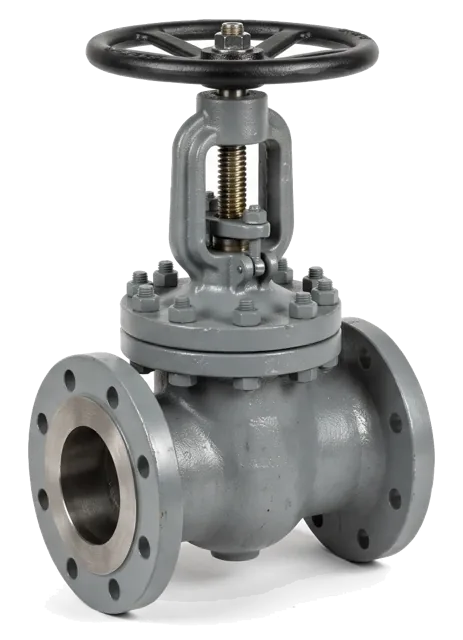
Gate valves
Full-bore isolation with minimal pressure drop. API 600 cast steel and API 602 forged steel, 2" to 48".
Sizes, classes and brands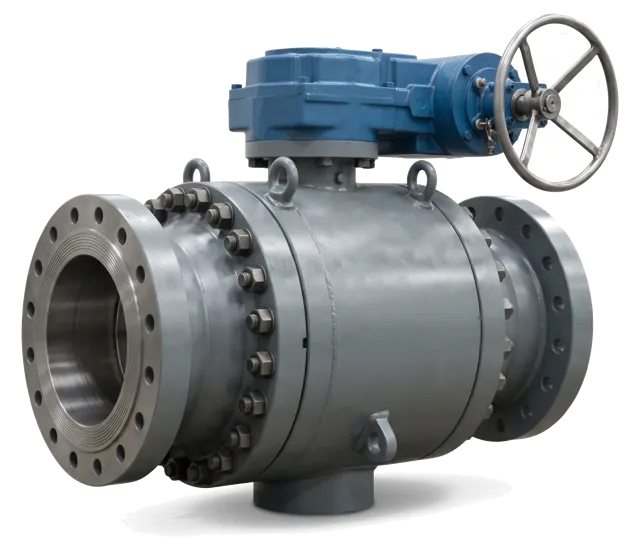
Ball valves
Floating and trunnion-mounted, full and reduced bore. API 6D, fire-safe and NACE, ½" to 48".
Sizes, classes and brands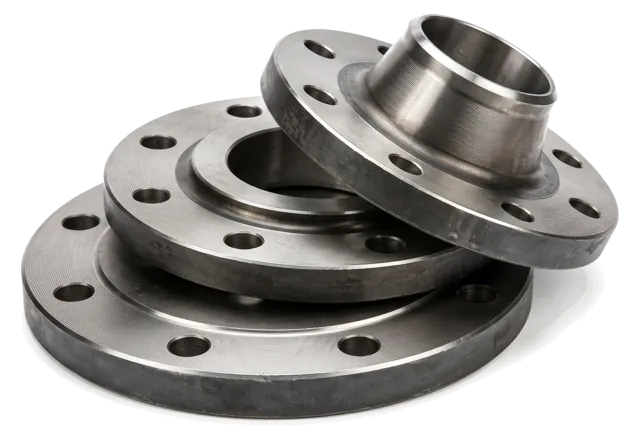
Flanges
Weld neck, slip-on, blind, socket weld, threaded and lap joint, Class 150 to 2500, RF and RTJ.
Sizes, classes and brands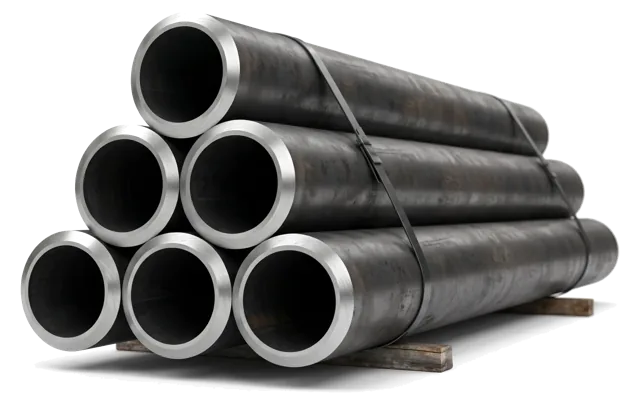
Pipes & tubes
Seamless and welded, carbon to super duplex, ⅛" to 120" NPS, with 3.1 certificates.
Sizes, classes and brandsSend us your enquiry and hear back within one working day
Share your BOQ, specification or approved brand list on WhatsApp, or use the request-a-quote form. We confirm availability, pricing and lead time, line by line.